
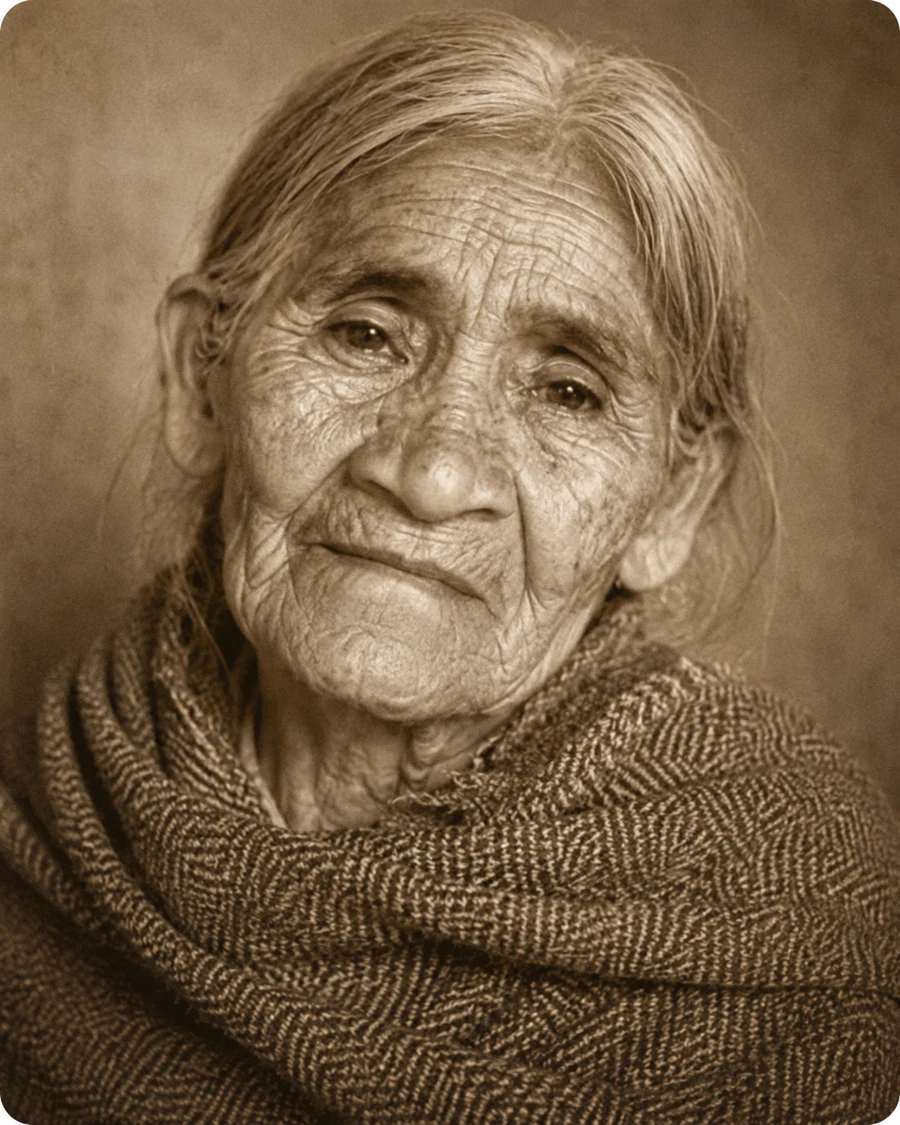
Maria Sabina (1894–1985) was a Mazatec curandera (healer) from the mountain town of Huautla de Jiménez in Oaxaca, Mexico. For her, the sacred mushrooms were not recreational or "psychedelic" in the modern sense. They were known as Niños Santos ("Holy Children") and were used for prayer, healing, diagnosis, and communion with the divine.
Nicolás Echevarría's film María Sabina: Mujer Espíritu offers a rare, beautiful glimpse of her and her world:
But what is a velada, really? The word means "night vigil" — a whole night in darkness, prayer, and song, where the sacred mushrooms were received as medicine and teachers. It is this ceremony we now step into, stage by stage.
The Purpose of a Velada
A velada (night vigil) was traditionally held for those who carried:
- illness and suffering
- emotional imbalance
- grief and loss
- a lack of direction in life
- a need for spiritual guidance
- a need for diagnostic insight
The purpose was never simply to consume mushrooms. It was to receive — wisdom, healing, and guidance.
Preparation
Before the ceremony:
- fasting or eating lightly
- abstaining from alcohol
- prayer and intention setting
- approaching the mushrooms with reverence as sacred beings
Participants would often arrive after sunset.
The Sacred Space
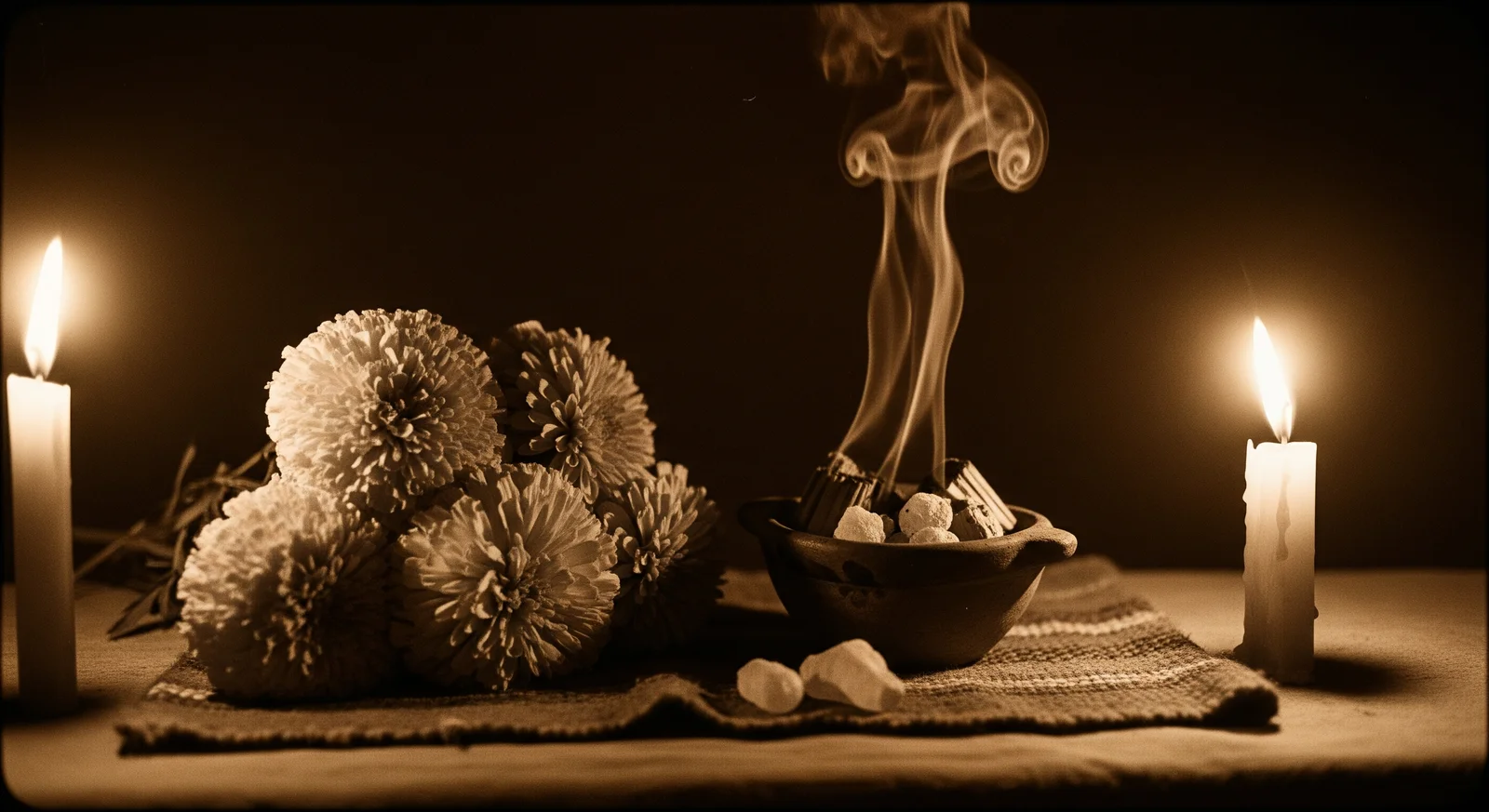
The ceremonial space was simple and humble:
- candles
- an altar with sacred images
- flowers
- copal incense or other sacred smoke
- darkness and silence
The ceremony often continued throughout the entire night.
Receiving the Mushrooms
The mushrooms were treated as a sacrament. Maria Sabina traditionally worked with:
- pairs of mushrooms
- ceremonial blessings
- prayers before ingestion
The mushrooms were considered living teachers rather than substances.
The Sacred Chants (Los Cantos)
This was the heart of the ceremony.
Maria Sabina sang spontaneous sacred chants, which she believed were revealed through the wisdom of the mushrooms. She could sing continuously for hours. The chants were intended to:
- guide the journey
- reveal the hidden causes of suffering
- invoke healing
- connect participants with the divine
Listen to one of her recorded chants — the voice that carried the whole night:
The Healing Work
In the Mazatec worldview, illness could be:
- physical
- emotional
- energetic
- spiritual
The healer's role was to listen, perceive, and receive insight. Maria Sabina often described the mushrooms as "speaking" through visions, songs, and inner knowing — helping her understand the roots of a person's suffering.
Sunrise and Integration
At dawn:
- prayers were completed
- participants shared their experiences
- rest and reflection were encouraged
- insights were gradually integrated into daily life
Healing was understood as a process rather than a single event.
Core Principles of Maria Sabina's Work

Humility over ego
The healer is not the source of healing, but a servant of it.
Prayer over control
Healing arises through surrender, listening, and relationship with the sacred.
Healing over entertainment
The ceremony exists to serve transformation, not recreation.
Community over individualism
Healing takes place within relationship and connection.
Nature as teacher
The natural world is a source of wisdom, guidance, and medicine.
What Her Legacy Means for Our Work
Maria Sabina did not see herself as the one who healed people. She viewed herself as a channel through which wisdom, prayer, and healing could flow. The mushrooms were sacred messengers, and the ceremony was a way of entering into relationship with something greater than oneself.
For contemporary ceremonial spaces, her approach can inspire:
- simplicity rather than spectacle
- intention rather than performance
- song, silence, and presence as central practices
- and a deep respect for nature as a co-facilitator of healing
That is precisely the spirit we carry into our own work with preparation, safe containers, and integration.